


The Role of Modern Seed Processing Plants in the Agricultural Sector
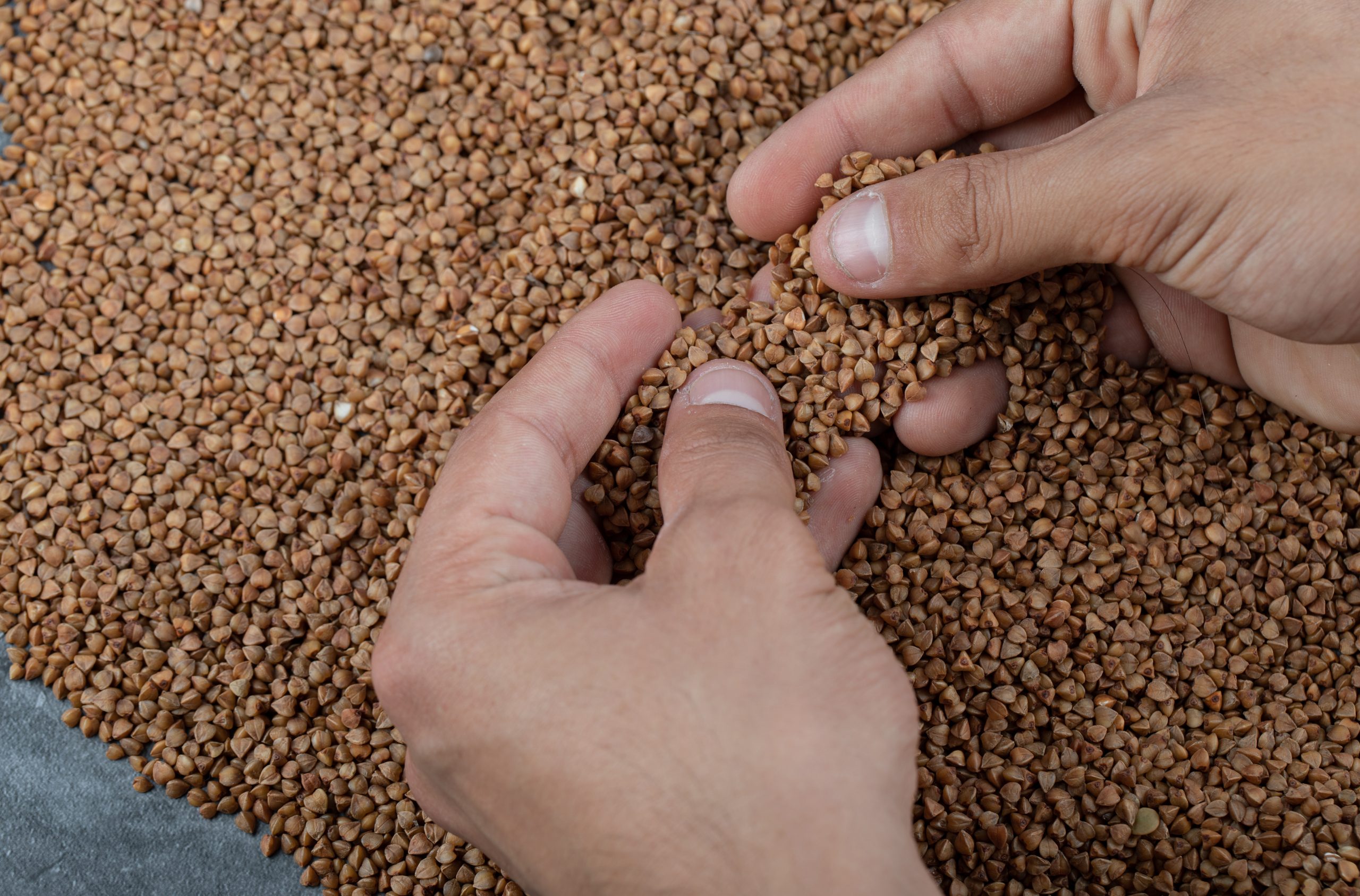
The agricultural sector increasingly requires more efficient, sustainable, and technologically advanced production methods due to the growing global population and rising food demand. In this context, modern seed processing plants are among the critical infrastructures that improve the quality and efficiency of agricultural production.
Seeds are one of the fundamental inputs of agricultural production and directly influence the quality of the final crop. However, harvested seeds are not immediately suitable for use. They may contain foreign materials, broken seeds, low-quality grains, or diseased seeds. Modern seed processing facilities manage the cleaning, grading, and standardization of raw seeds, ensuring that high-quality seeds reach producers.
Importance of Processing Facilities in Improving Seed Quality
With advanced machinery used in modern facilities, seeds go through several stages such as cleaning, sizing, density separation, and quality grading. Through these processes, only healthy seeds with high germination potential are selected for agricultural production.
The use of high-quality seeds provides several advantages in agriculture:
-
Higher germination rates
-
Uniform plant development
-
Reduced risk of disease
-
Higher yield and better crop quality
Therefore, seed processing plants act as a quality control mechanism at the very beginning of agricultural production.
Contribution to Agricultural Productivity
Efficiency in agriculture is not limited only to field practices. The quality of the seed at the beginning of the production chain directly affects the entire process. Modern seed processing plants enable farmers to access reliable and standardized seeds.
This is especially important for large-scale agricultural operations and contract farming systems. Standardized seeds allow planting, cultivation, and harvesting processes to be carried out in a more organized and efficient way.
Technological Transformation in Agriculture
Today, agriculture is becoming increasingly integrated with automation and advanced technologies. Optical sorters, precision screening systems, and automated packaging lines used in modern seed processing plants accelerate production processes while minimizing errors.
Thanks to these technologies:
-
Large volumes of seeds can be processed in a short time
-
Human-related errors are reduced
-
Product quality becomes standardized
-
Storage and logistics processes become more efficient
These developments contribute to a more industrialized and sustainable agricultural sector.
Conclusion
Modern seed processing plants play an important role in achieving the agricultural sector’s goals of efficiency, quality, and sustainability. By cleaning, grading, and standardizing raw seeds, producers gain access to more reliable and high-performance seeds.
With advancing technology, seed processing facilities are no longer just production infrastructures but strategic investments that support the modernization of agriculture and contribute to the development of a more sustainable food system.