


The Impact of Processed Seeds on Food Security
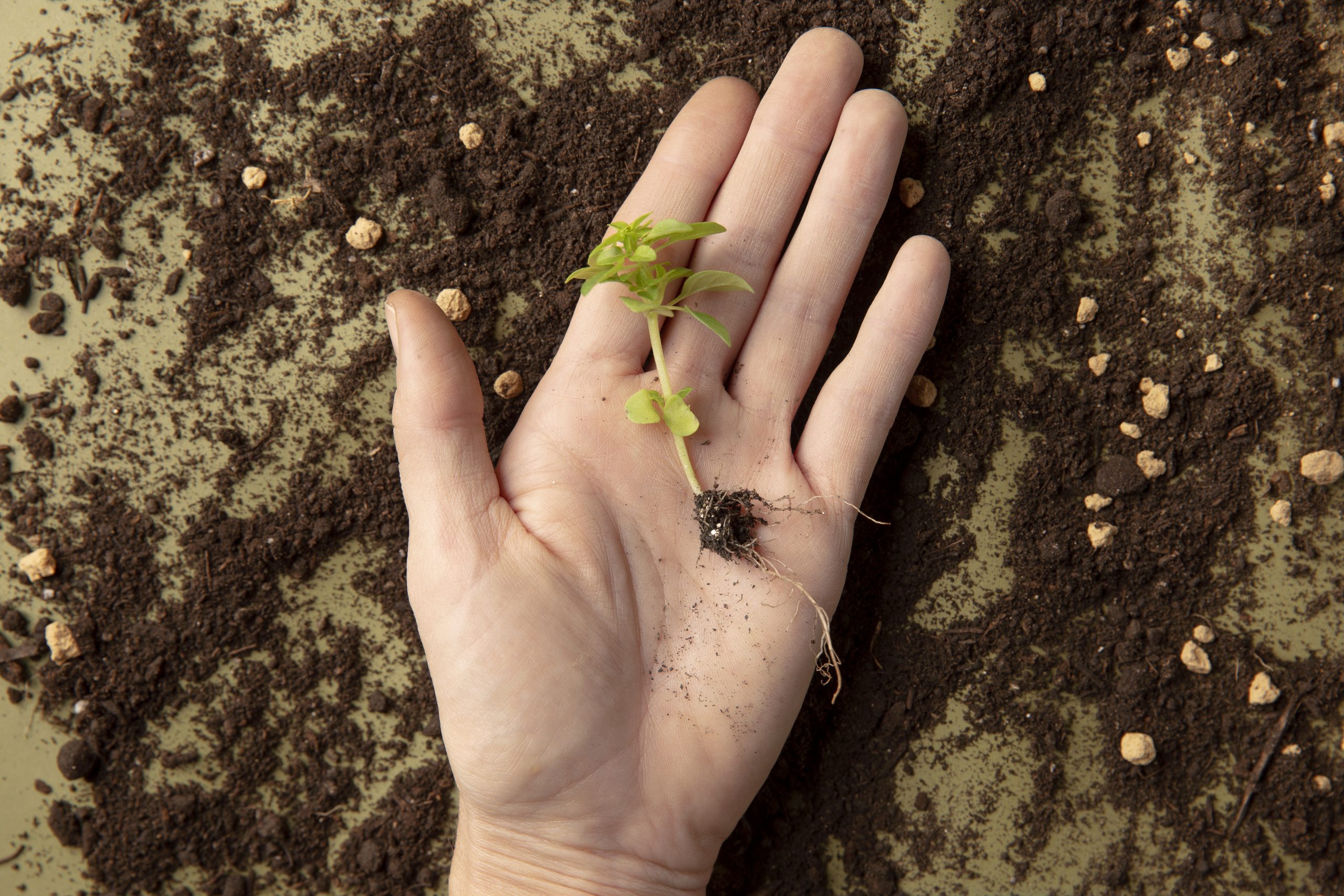
Short answer: Processed seed supports food security because it is clean, disease-free and uniform, so it germinates reliably and produces steadier yields. Healthier seed also reduces the spread of seed-borne disease and lowers losses. Reliable harvests from quality seed make food supply more stable and affordable.
Food security is one of the most critical issues in today’s world. Rapid population growth, climate change, and limited natural resources require higher standards of quality and efficiency in agricultural production. In this context, processed seeds play a crucial role in ensuring safe and sustainable food production.
Processed seeds are clean, disease-free, and have uniform germination characteristics. These qualities not only improve crop yield but also directly contribute to food safety in agricultural production.
Effect on Germination and Crop Yield
High-quality seeds are the foundation of agricultural production. Low-quality or diseased seeds can lead to losses and threaten food supply.
Processed seeds provide:
-
Higher germination rates and uniform crops
-
Increased yield and product quality
-
Stable and reliable food supply
This ensures that food production is both safe and sustainable for farmers and consumers alike.
Disease-Free Seeds
Processed seeds are free from diseases and pests, making them ready for planting. This is critical for food safety:
-
Reduces the risk of crop spoilage
-
Lowers the need for chemical pesticides
-
Protects human health
This approach also preserves agricultural ecosystems and biodiversity.
Contribution to the Food Chain
Processed seeds impact not only cultivation but also the entire food chain. Products from high-quality seeds are more resilient during storage, transport, and processing:
-
Reduces food losses
-
Minimizes spoilage during storage and transport
-
Delivers safer and higher-quality food to consumers
Sustainable Agriculture and Environmental Benefits
Processed seeds are fundamental for sustainable agriculture. They enable higher yield with fewer resources:
-
Optimized water and energy usage
-
Preserved soil health and reduced chemical inputs
-
Reduced waste and lower carbon footprint
This approach protects the environment while supporting food security.
Conclusion
Processed seeds are a vital tool for strengthening food security. With higher germination rates, disease-free characteristics, and uniformity, agricultural production becomes safer, more efficient, and sustainable.
The future of farming depends on processed seeds to ensure both producers and consumers have access to safe and sustainable food.
Why do processed seeds improve food security?
Food security depends on stable production. Processed seed raises the share of seed that germinates, produces uniform plants and delivers predictable harvests. This reduces the risk of crop failure from poor planting material and helps regions plan food supply with more confidence.
How does seed health affect food safety?
Diseased seed can carry pathogens into the field and spread them to healthy plants. Cleaning removes many damaged or infected seeds, and treatment can protect seedlings in the early stages. Healthier crops are less likely to need heavy interventions, which supports safer production.
What role does storage play in keeping seed secure?
Seed that is dried to a safe moisture level and stored in cool, clean conditions keeps its viability longer and is less exposed to pests and mould. Good storage means seed is available when planting time arrives, which matters for both emergency programmes and regular seasons.
How can producers and governments work together?
Governments can support testing laboratories, quality standards and training, while producers invest in cleaning, grading and storage. Cooperation helps ensure that quality seed is available at reasonable prices, including for smaller farmers, and that quality is documented along the supply chain.
What are the biggest threats to seed security today?
Climate stress, pests, poor storage, limited access to quality seed and supply chain disruptions all threaten seed security. Resilient systems combine diverse varieties, careful processing, good storage and reliable distribution.
How does processing help small and family farms?
Small and family farms often cannot afford crop failures. Clean, graded seed gives them a better chance of an even stand and a reliable harvest from limited land. Shared or cooperative processing facilities can bring this benefit to smaller growers.
What practical checks should farmers do before sowing?
Check germination with a simple test, look at the seed for damage and foreign material, confirm that the variety suits the field, and store seed dry until it is needed. These quick checks catch most problems while they are still easy to fix.
Why is diversity of crops and varieties part of food security?
Relying on one crop or variety makes supply fragile. A mix of crops and varieties spreads risk from weather, pests and disease, and provides a broader range of food. Processed seed of many species keeps that diversity available to farmers.
Frequently Asked Questions
What is a seed-borne disease?
It is a disease that travels with the seed and can infect the next crop.
Is processed seed more expensive?
It can cost more per kilogram, but better germination and fewer losses often make it cheaper per harvested tonne.
Does seed processing help during emergencies?
Yes. Prepared, well-stored seed lets farmers replant quickly after a crop loss.
How does seed quality relate to nutrition?
Stable production of diverse crops supports access to food, while nutrition also depends on the variety and the diet.