


The Impact of Seed Cleaning Systems on Agricultural Success
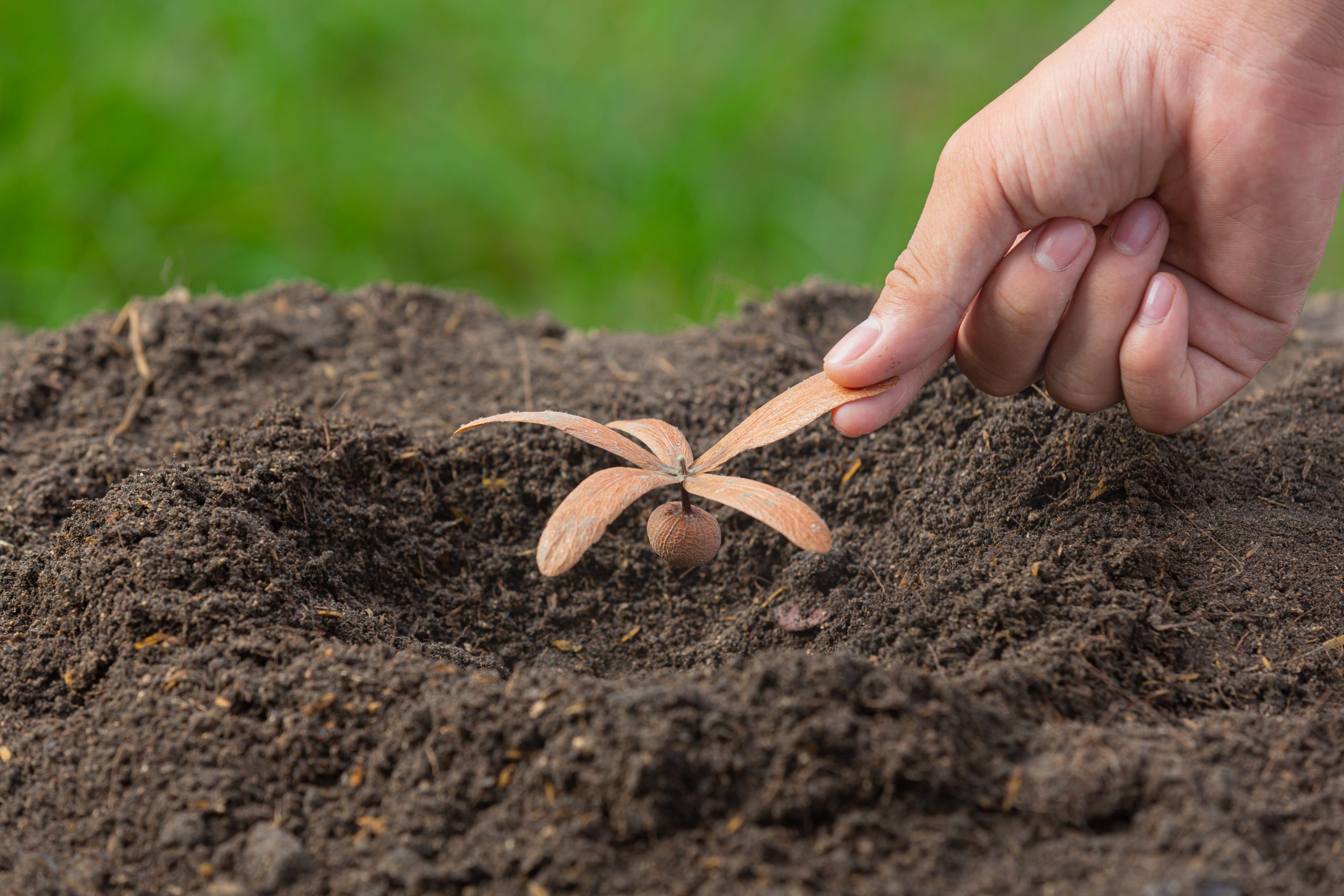
Sustainable success in agriculture depends not only on planting and harvesting techniques but also on the quality of preparation processes. One of the most critical stages in this process is seed preparation. Seed cleaning systems play a vital role in ensuring productivity, product quality, and long-term sustainability.
Seed cleaning involves removing foreign materials, broken seeds, diseased particles, and low-quality seeds. This process determines the starting quality of agricultural production and directly influences all subsequent stages.
What Are Seed Cleaning Systems?
Seed cleaning systems consist of various technologies such as sieves, air channels, gravity separators, and optical sorters. These systems separate materials based on physical characteristics to ensure that only the highest-quality seeds are selected.
Main methods include:
- Sieving for size separation
- Air aspiration for removing light impurities
- Gravity separation for selecting dense and healthy seeds
- Optical sorting for detecting defects
Together, these systems maximize seed quality and purity.
Germination and Plant Development
Cleaned seeds significantly improve germination performance.
- Faster and uniform germination
- Stronger root development
- Healthier plant growth
This leads to more homogeneous crop distribution and easier field management.
Productivity and Planning
High-quality seeds improve production predictability.
- Better planting density control
- Balanced crop development
- More accurate harvest planning
This helps farmers reduce risks and optimize production efficiency.
Disease Control and Risk Reduction
Unclean seeds may carry diseases and pests, increasing production risks.
Seed cleaning systems:
- Eliminate infected seeds
- Reduce disease spread
- Minimize chemical use
This supports both environmental sustainability and food safety.
Resource Efficiency
Efficient use of water, fertilizers, and energy is directly linked to seed quality.
Cleaned seeds:
- Require less water
- Utilize nutrients more effectively
- Reduce energy waste
This results in lower costs and reduced environmental impact.
Waste Reduction
Seed cleaning systems reduce waste significantly:
- Unusable materials are removed
- Resource waste is minimized
- Production efficiency increases
Product Quality and Market Value
Crops grown from cleaned seeds:
- Are more uniform
- Have better appearance
- Meet higher market standards
This increases competitiveness and export potential.
Conclusion
Seed cleaning systems are a fundamental component of agricultural success. They enhance productivity, improve quality, reduce risks, and support sustainable farming practices.