


The Global Impact of Seed Processing Technologies
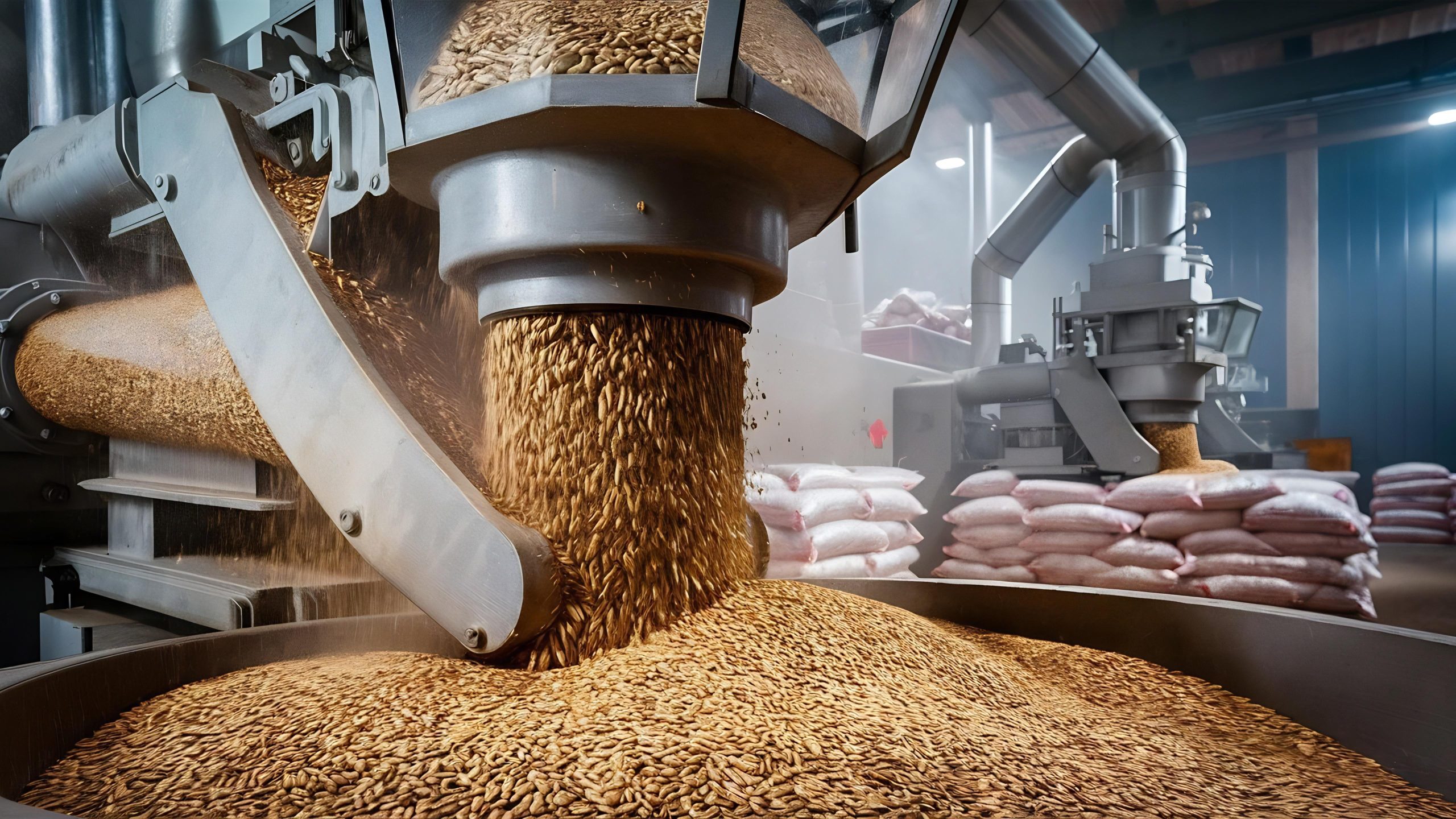
Today, the world is experiencing one of the most critical periods in its history in terms of food production. Rapid population growth, the destructive effects of climate change on agriculture, drought, soil degradation, and the rapid depletion of natural resources are forcing agricultural production models to change fundamentally. At the center of this transformation are seed processing technologies.
Seed is the starting point of agricultural production. Even with the most advanced farming techniques, low-quality seeds cannot deliver the desired yield. Therefore, in modern agriculture, not only planting and harvesting processes but also the preparation of seeds for production are of vital importance.
A Strategic Solution to the Global Food Crisis
According to United Nations data, the world population is expected to reach 9.7 billion by 2050. This will require at least a 60% increase in current food production. Seed processing technologies are one of the most effective ways to achieve this growth without harming the environment.
Thanks to advanced cleaning, sorting, grading, and coating systems:
-
Diseased and weak seeds are removed
-
High-germination, uniform crops are obtained
-
Agricultural productivity is increased in a stable manner
As a result, the global food supply is secured in a sustainable way.
Contribution to the Protection of Natural Resources
The agricultural sector consumes approximately 70% of the world’s freshwater. Traditional production methods cause significant waste of water and energy. Seed processing technologies make it possible to produce more with fewer resources.
Modern systems:
-
Reduce water consumption
-
Optimize energy use
-
Support efficient use of agricultural land
Thus, the environment is protected while production costs are reduced.
Waste Management and Reduction of Loss Rates
Traditional production processes result in high levels of waste. This means both economic loss and environmental pollution. With seed processing technologies, only the necessary and high-quality seeds are used, minimizing unnecessary waste.
This approach:
-
Reduces the carbon footprint
-
Lowers waste volumes
-
Creates cleaner production processes
Reduced Chemical Use and Soil Health
Low-quality seeds are more vulnerable to disease and therefore require intensive chemical use. In contrast, processed, high-quality seeds are more resistant. This:
-
Reduces pesticide use
-
Prevents soil and water pollution
-
Protects human health
Conclusion
Seed processing technologies are not just an agricultural innovation but also a strategic investment in the future of the planet. For producing more with fewer resources, creating a cleaner environment, and building a sustainable world, these technologies are indispensable.