


The Contribution of Seed Processing Technologies to the Economy
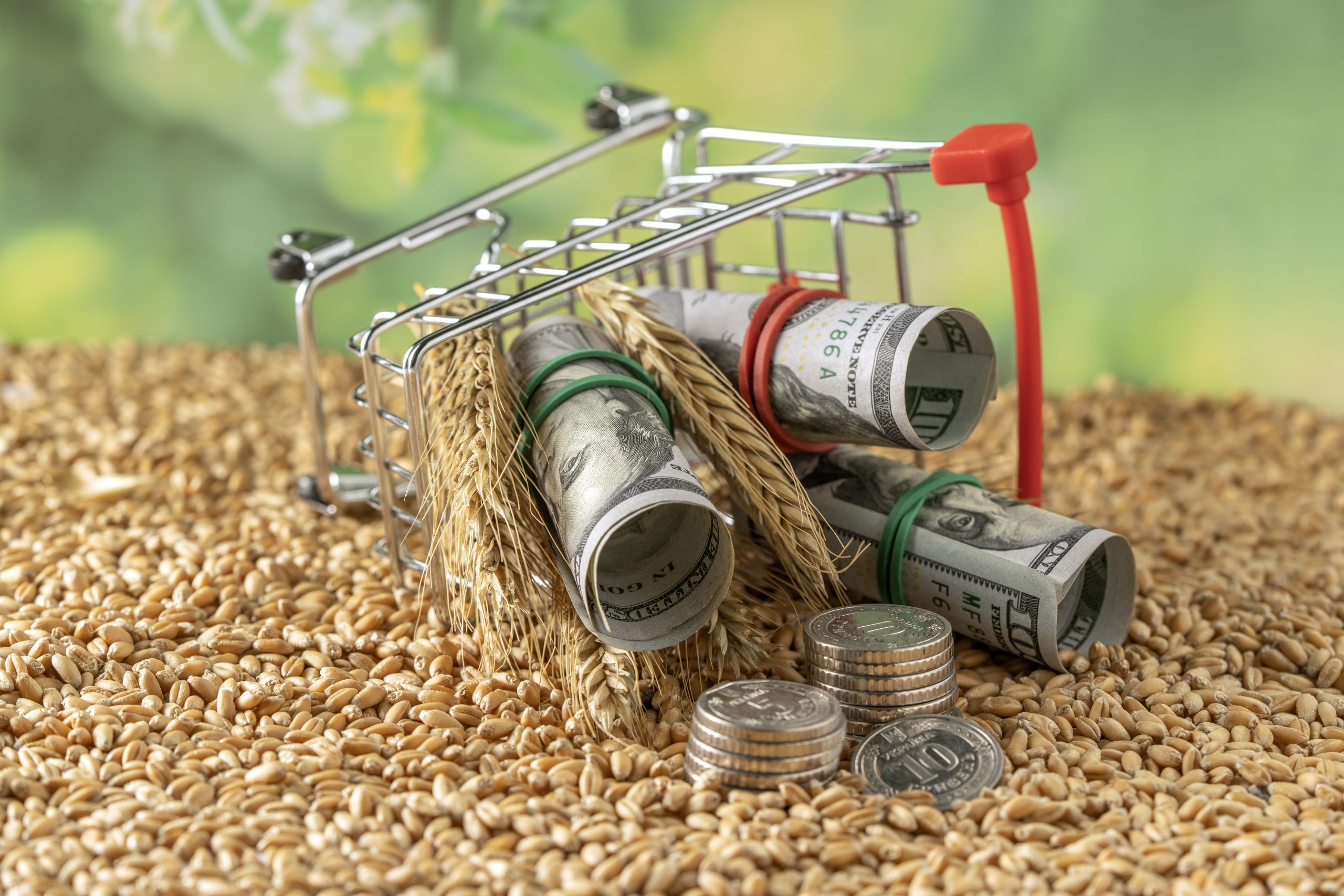
Short answer: Seed processing technologies support the economy by raising yields, cutting input costs and creating jobs in agribusiness. Cleaner, graded seed meets export requirements and earns better prices. Over time, higher productivity and stronger trade strengthen national income and rural development.
Agriculture is a cornerstone sector not only for food production but also for employment, industry, and foreign trade. At the very foundation of this sector lies the seed. In recent years, advancements in seed processing technologies have gone beyond improving agricultural output, becoming a key contributor to national economies.
What Are Seed Processing Technologies?
Seed processing technologies encompass processes such as cleaning, sorting, grading, treating, coating, and packaging, which prepare seeds for planting under optimal conditions. These processes are carried out using modern machinery and automation-based systems to ensure high precision.
Advanced seed processing systems preserve the genetic potential of seeds while maximizing field performance.
Impact on Agricultural Productivity and National Income
The use of high-quality processed seeds leads to a direct increase in yield. Uniform emergence, disease resistance, and balanced growth improve production per hectare, resulting in:
-
Higher farmer incomes
-
Increased agricultural production value
-
Positive contribution to national income
Efficient agriculture also enables optimal use of resources, supporting sustainable economic growth.
Reduction of Input Costs
Seed processing technologies help to:
-
Prevent seed waste
-
Optimize fertilizer and crop protection usage
-
Reduce losses caused by planting errors
This lowers overall production costs and improves profitability across the agricultural value chain.
Contribution to Agribusiness and Employment
The manufacturing of seed processing machinery represents a strong link between agriculture and industry. It:
-
Creates engineering and R&D employment
-
Strengthens domestic machinery production
-
Supports auxiliary industries and services
Export and Foreign Trade Advantages
Processed seeds meeting international standards gain a competitive advantage in global markets. Likewise, domestically produced seed processing machinery:
-
Reduces dependence on imports
-
Generates high value-added export products
-
Enhances technological export capacity
Sustainability and Long-Term Economic Value
Modern seed processing technologies support sustainable agriculture by reducing environmental impact and improving energy efficiency, ensuring long-term productivity and economic stability.
Conclusion
Seed processing technologies play a strategic role in economic growth, industrial development, exports, and sustainability. Advanced technological solutions strengthen the future of both agriculture and the economy.
How do seed processing technologies support the economy?
They raise the productivity of existing land and labour. Higher and steadier yields increase farm income, while processing plants, equipment suppliers, logistics and testing services create employment. The effect spreads from farms to rural towns and the wider industry.
Why does seed quality matter for exports?
Importing countries and buyers expect consistent purity, germination and documentation. Seed that is cleaned and graded to a specification is easier to certify and ship, and it can earn a better price. Reliable quality also builds long-term trading relationships.
Where do the cost savings appear?
Savings come from less replanting, lower seed rates when germination is high, more efficient use of fertilizer and water, and fewer harvest losses. They are not always visible in a single line of the budget, but together they reduce the cost per tonne of crop.
What conditions help the economic benefits materialise?
Access to suitable equipment, trained staff, reliable electricity and logistics, clear quality standards and support from financing or cooperatives all play a role. Without them, even good technology cannot deliver its full value.
How do agribusiness and local industry benefit?
A seed processing facility creates demand for machinery, spare parts, packaging, transport, laboratory services and training. Local fabrication and maintenance skills grow around it, and suppliers of related equipment find a steady market. This network effect is one reason processing investments often have a larger economic footprint than the plant itself suggests.
How can producers measure the economic value of better seed?
Track a few simple figures season by season: germination and emergence, replanting needs, seed rate, input use and yield per hectare. Comparing results before and after improving seed preparation shows where money was saved or earned. Clear records also make it easier to justify further investment to partners and lenders.
What risks can limit the economic benefits?
Benefits can be reduced by unreliable power, poor logistics, equipment that does not match the crop, or a lack of trained operators. Weak quality standards also reduce buyer confidence. Identifying these risks early, and planning training, maintenance and logistics together with the equipment, protects the return on investment.
How does seed processing fit into national agricultural strategy?
Many countries treat seed quality as a strategic issue because it affects food supply, farm income and trade. Processing capacity, testing laboratories and clear standards work together to make the seed sector competitive. Investment in each part strengthens the others and supports long-term rural development.
Frequently Asked Questions
Is seed processing only profitable at large scale?
Scale helps, but smaller or shared facilities can also be viable, especially in cooperatives.
Does it create skilled jobs?
Yes. Operators, technicians, quality staff and maintenance teams are needed.
How does it help rural development?
It keeps more value in the producing region through processing, services and employment.
What is the link to foreign trade?
Standardised, documented seed quality is a precondition for many export markets.