


Adapting Agriculture to Climate Change and the Importance of Seed Selection
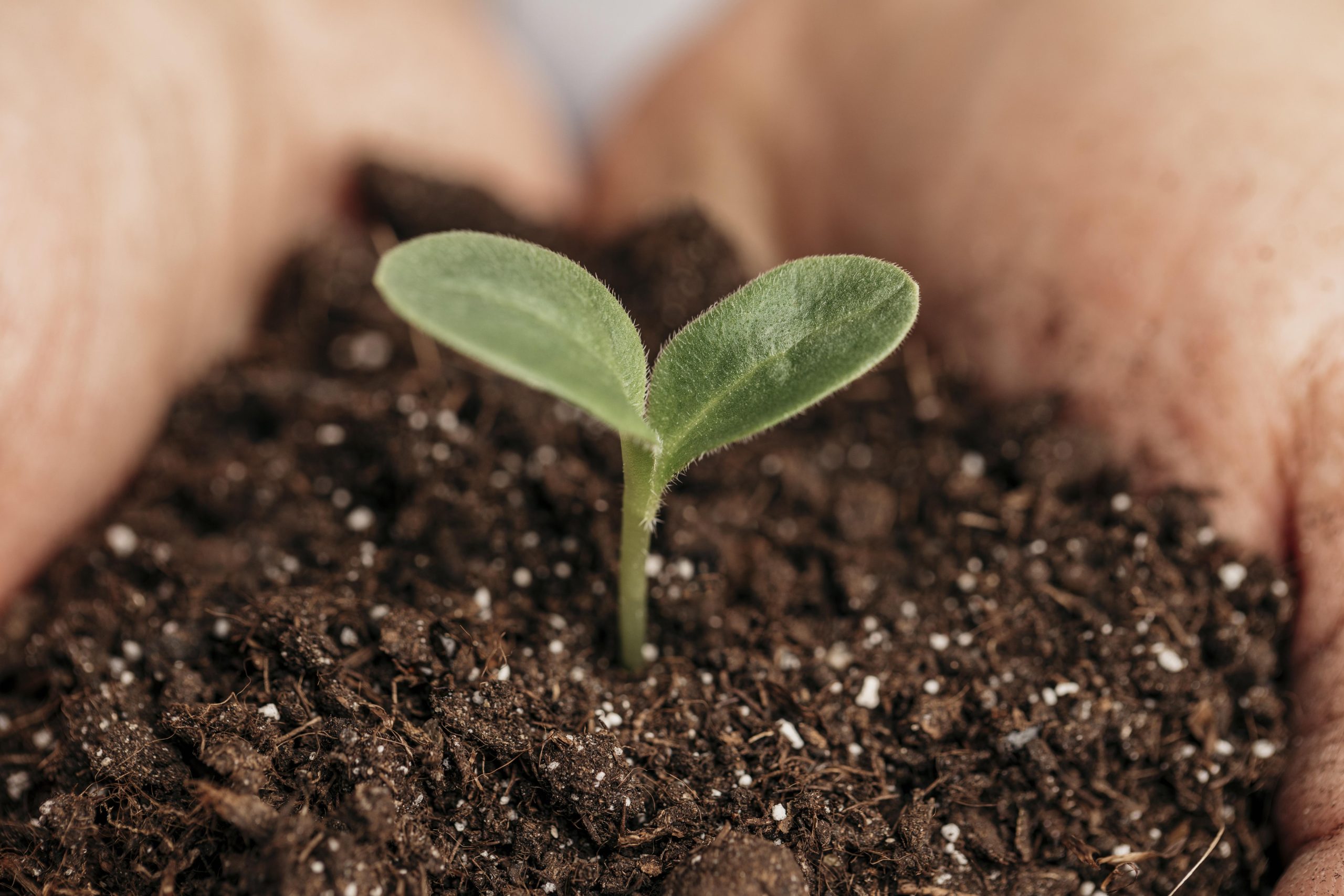
Today, the agriculture sector faces significant challenges due to climate change. Rising temperatures, irregular rainfall, droughts, and extreme weather events directly impact both producers and consumers. Adapting to these changing conditions is crucial for sustainable farming.
Proper seed selection, modern agricultural practices, and resource management are among the most effective strategies to address these challenges. These approaches increase crop productivity while minimizing environmental impacts.
Impacts of Climate Change on Agriculture
Climate change affects agricultural production in several ways:
- Drought and water scarcity: Rising temperatures and reduced rainfall create challenges in irrigation and water management.
- Temperature fluctuations: Sudden changes in temperature can adversely affect plant growth, leading to yield losses.
- Increase in pests and diseases: Changing climates create favorable conditions for plant pests and diseases.
- Yield instability: Crop output can become inconsistent, causing economic losses.
Traditional farming methods alone are no longer sufficient. Farmers need to adopt new strategies that are both sustainable and climate-resilient.
Importance of Proper Seed Selection
Choosing the right seeds plays a critical role in adapting agriculture to climate change. Proper seed selection allows farmers to:
- Cultivate drought-tolerant crops
- Adapt to temperature fluctuations
- Increase resistance to pests and diseases
- Minimize yield losses
Increasing seed diversity also supports biodiversity in agricultural ecosystems and strengthens sustainable production, providing long-term environmental and economic benefits.
Water and Resource Management
Water resources are increasingly scarce due to climate change, making efficient water use essential. Selecting appropriate seeds and applying modern irrigation techniques helps optimize resource use:
- Grow crops that require less water
- Reduce irrigation needs
- Preserve soil and other natural resources
These practices reduce production costs while protecting the environment and laying the foundation for sustainable agriculture.
Supporting Sustainable Agriculture
Climate-resilient seeds are a cornerstone of sustainable agriculture:
- Reduce chemical usage, preventing environmental pollution
- Preserve soil health, supporting productive land use
- Ensure long-term production stability, minimizing future agricultural risks
This approach makes agriculture more economically viable and environmentally resilient.
The Future of Farming
Climate change necessitates transformative changes in agriculture. The future of farming will be shaped by seeds that can adapt to changing climatic conditions and conscious production practices.
Innovation, proper strategies, and sustainable farming techniques will ensure both farmer income security and food security. Climate-resilient seeds, resource management, and sustainable practices will define the agriculture of the future.