


The Strategic Role of Seed Processing in the Global Food Supply Chain
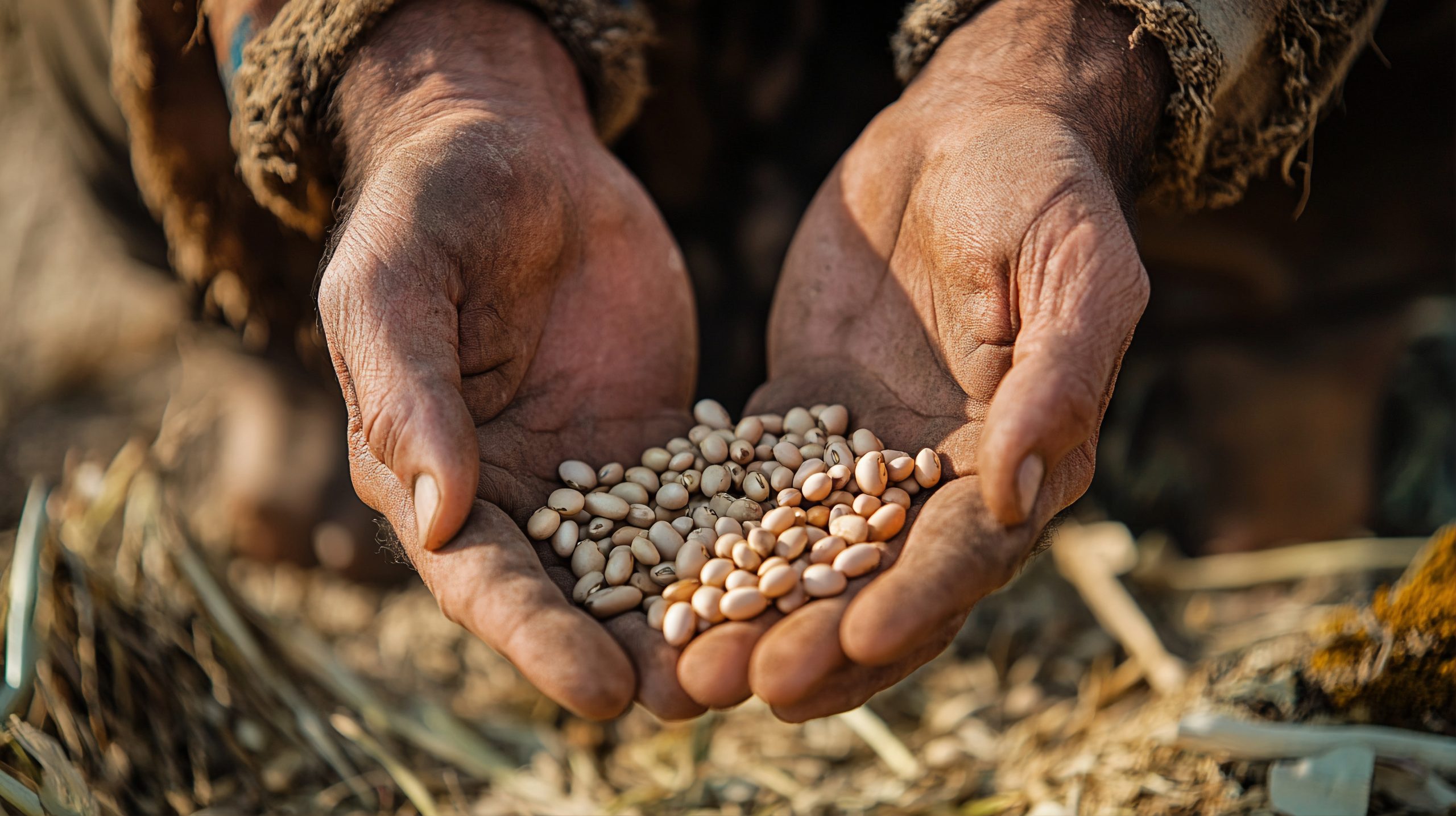
As the global population continues to grow, the sustainability and efficiency of agricultural production have become more critical than ever. One of the most fundamental elements of the global food supply chain is the seed. However, high-quality production depends not only on selecting the right seeds but also on processing them effectively.
Seed processing technologies include stages such as cleaning, grading, drying, treating, and packaging, ensuring that seeds perform at their highest potential. These processes not only enhance agricultural productivity but also directly contribute to global food security.
What is Seed Processing and Why is it Important?
Seed processing refers to the set of technical operations applied to raw harvested seeds to prepare them for planting. The goal is to obtain physically clean, uniform, disease-free seeds with high germination rates.
Unprocessed or low-quality seeds may lead to:
- Low germination rates
- Reduced yields
- Increased risk of diseases and pests
In contrast, modern seed processing systems:
- Standardize product quality
- Improve agricultural efficiency
- Reduce production costs
The Role of Seeds in the Global Food Supply Chain
Seeds represent the first link in the food supply chain. The quality at this initial stage directly influences all subsequent stages. Poor-quality seeds negatively affect the entire production process, while high-quality seeds lead to healthier, more resilient, and more productive crops.
On a global scale:
- Growing populations demand increased food production
- Climate change challenges agricultural conditions
- Limited farmland requires higher efficiency
Seed processing technologies make it possible to produce more with fewer resources.
Global Impacts of Seed Processing Technologies
1. Supports Food Security
High-quality seeds ensure more reliable and consistent crop yields, which is crucial for regions facing food supply challenges.
2. Increases Efficiency
Uniform and healthy seeds enable balanced plant growth, improving yield per unit area.
3. Promotes Sustainable Agriculture
Higher efficiency reduces the need for excessive inputs such as water, fertilizers, and energy.
4. Meets International Trade Standards
Processed and certified seeds are more competitive and widely accepted in global markets.
The Importance of Seed Processing Facilities
Advanced seed processing facilities ensure that operations are carried out efficiently and according to standards. Modern machinery enables:
- High-precision cleaning and separation
- Minimal seed loss
- Increased processing capacity
- Improved operational efficiency
These facilities play a key role in the industrial transformation of agriculture.
The Future of Seed Processing Technologies
As agriculture becomes increasingly digitalized, seed processing technologies are evolving as well. Automation, AI-based quality control systems, and data-driven production processes are expected to become more widespread.
These advancements will:
- Reduce human error
- Optimize production processes
- Enable more sustainable global agriculture
Conclusion
The sustainability and efficiency of the global food supply chain largely depend on seed quality and processing methods. Modern seed processing technologies play a crucial role not only in increasing agricultural productivity but also in ensuring food security, sustainability, and economic growth.
The future of agriculture begins with a strong foundation — high-quality, properly processed seeds.